Understanding gambling a beginner's guide to tips and strategies
What is Gambling?
Gambling is the act of risking money or valuables on an event with an uncertain outcome, primarily with the intent of winning additional money or items of value. This practice spans various forms, including casino games, sports betting, and lotteries. Understanding the different types of gambling can help beginners identify which forms align with their interests and risk tolerance. Each type has unique rules and strategies that can affect the chances of winning. At Ludios New Zealand casino, players can explore these options firsthand.

One fundamental aspect of gambling is the concept of odds, which represents the likelihood of a particular outcome occurring. In casino games, these odds are predetermined by the game mechanics and can vary significantly across different games. It’s essential for beginners to grasp these odds, as they play a crucial role in determining potential payouts and long-term success in gambling endeavors.
Additionally, the psychology behind gambling is equally important. Many people are drawn to gambling due to its exhilarating nature, which can lead to a rush of adrenaline and a sense of euphoria. However, it’s critical for beginners to remain aware of their motivations and the risks involved, as this can significantly impact their overall gambling experience and financial health.
Understanding the Psychology of Gambling
The psychology of gambling encompasses a range of emotions and behaviors that influence how individuals engage with games of chance. Cognitive biases, such as the illusion of control, can lead players to believe they have more influence over the outcome than they actually do. This phenomenon can encourage people to gamble more frequently or wager larger amounts, often resulting in greater losses.
Another psychological factor is the concept of near misses, which occur when a player almost wins but ultimately does not. Near misses can stimulate excitement and hope, potentially leading to repeated attempts at winning. This can be particularly detrimental for beginners, as it may create a cycle of chasing losses and developing unhealthy gambling habits.
Additionally, the thrill of gambling can become addictive, making it vital for beginners to approach the activity with caution. Recognizing the signs of problem gambling, such as spending beyond one’s means or neglecting personal responsibilities, is crucial. Developing a responsible gambling mindset includes setting limits and being mindful of one’s emotional state while playing.
Essential Tips for Beginners
For those new to gambling, starting with a clear understanding of personal limits is vital. Before engaging in any form of gambling, it’s advisable to establish a budget and stick to it. This approach helps to minimize losses and ensures that gambling remains an enjoyable activity rather than a source of stress or financial burden. Beginners should also consider starting with games that have simpler rules and lower stakes, allowing them to build confidence and experience gradually.
Another crucial tip is to take advantage of bonuses and promotions offered by casinos. Many online casinos provide welcome bonuses and free spins, allowing players to try out games without risking significant amounts of money. However, it’s important for beginners to read the terms and conditions associated with these offers to understand any wagering requirements or restrictions that may apply.
Lastly, ongoing education about gambling strategies can enhance a beginner’s experience. Learning basic strategies for various games, such as blackjack or poker, can significantly improve a player’s odds of winning. There are plenty of resources available online, including tutorials and forums, where beginners can gather insights and tips from more experienced gamblers.
Common Strategies in Gambling
Strategic play is essential in gambling, particularly in games like poker or blackjack, where skill and decision-making play a significant role. For instance, in poker, understanding when to bet, fold, or raise can be the difference between winning and losing. Players often develop strategies based on their understanding of odds, player behavior, and game dynamics. Consistent practice can help sharpen these skills over time, enabling beginners to compete more effectively.
In casino games like roulette, some players adopt betting systems such as the Martingale strategy, where they double their bet after each loss. While this approach can lead to short-term wins, it is crucial to understand the risks involved, as it can quickly deplete a bankroll during losing streaks. Beginners should carefully weigh the pros and cons of such strategies before implementation.
Furthermore, managing one’s bankroll is a fundamental strategy in gambling. This involves setting aside a specific amount of money for gambling activities and dividing it into smaller amounts for each session. This practice helps players maintain control over their finances, ensuring that gambling remains a recreational activity rather than a financial burden. Adopting sound bankroll management techniques can lead to a more enjoyable gambling experience.

The Role of Online Casinos
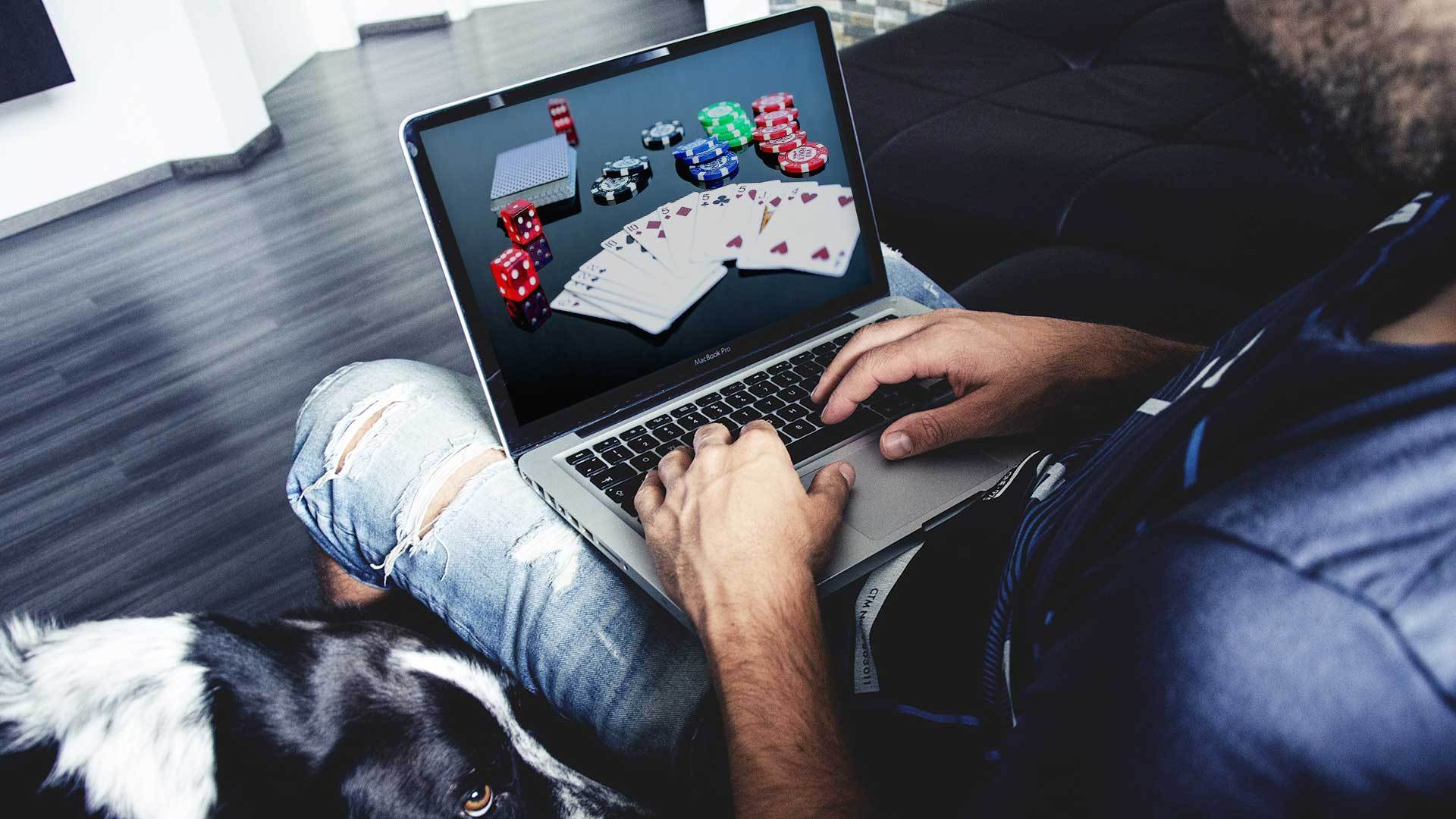
Online casinos have revolutionized the gambling landscape, making it accessible to players worldwide. They offer a wide variety of games, from traditional slots to live dealer experiences, catering to diverse preferences. For beginners, online casinos provide an excellent opportunity to explore different games in a low-pressure environment, often with the option of playing for free. This can help new players become familiar with game mechanics without financial risk.
Additionally, the convenience of online gambling allows players to enjoy their favorite games from the comfort of their homes. This accessibility can enhance the overall experience, making it easier for beginners to explore and develop their skills at their own pace. Many online platforms also feature educational resources, enabling users to learn strategies and tips directly related to the games they wish to play.
Moreover, reputable online casinos prioritize security and fairness, ensuring that players can gamble with confidence. Features such as fast withdrawals, customer support, and responsible gaming tools further enhance the online gambling experience. For beginners seeking a reliable platform to start their gambling journey, choosing a well-established online casino can significantly contribute to their enjoyment and success in the long run.